Skip to content
CommonGround Minnesota – Food & Farming Conversations with Women Farmers

Let’s talk food and farming together.

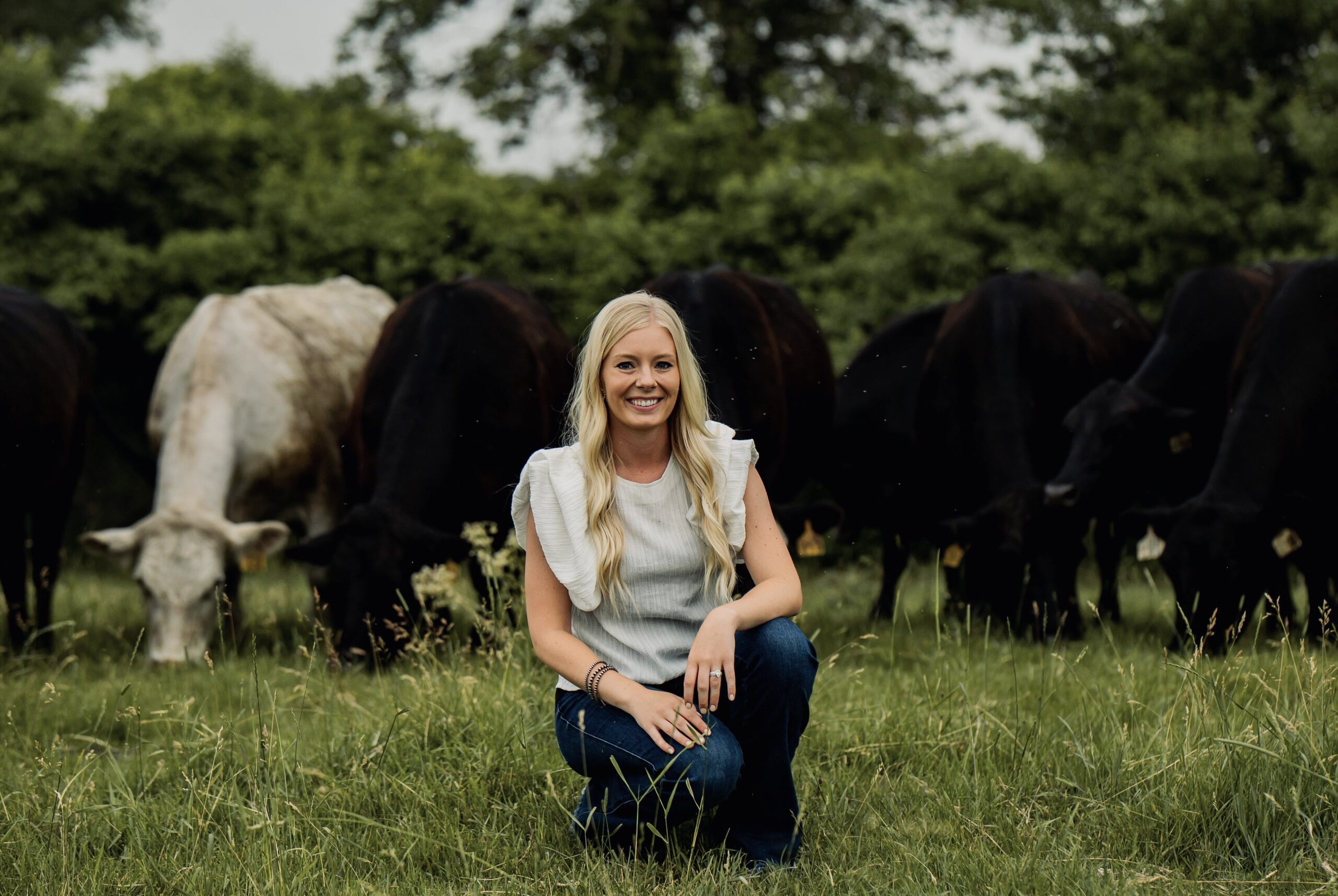
Meet Minnesota’s Farm Families

Play
Field – Fork

We are Minnesota women in agriculture who volunteer our time to have conversations around food and farming.

We’re informative.

No matter what food choices you make for your family, know we’re here to simply be a resource.

Nothing to fear here.

Food brings out the passion in people. We strive to be positive, and provide opportunities for open dialogue.

Straight from the source.

We are women in agriculture from across the state of Minnesota, and look forward to sharing our personal experiences on the farm.


  • Play

    Farm at the Arb with Twin Cities Mom Collective

  • Play

    Wine & Dine at Schram Vineyards

  • Play

    A Day on the Family Farm

more videos
WE ARE COMMONGROUND –

Meet the
Volunteers
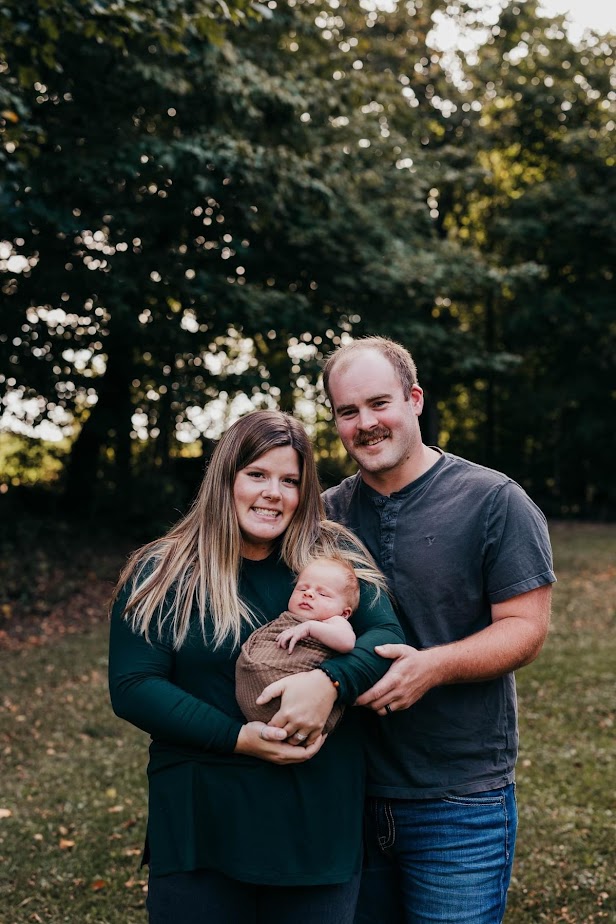
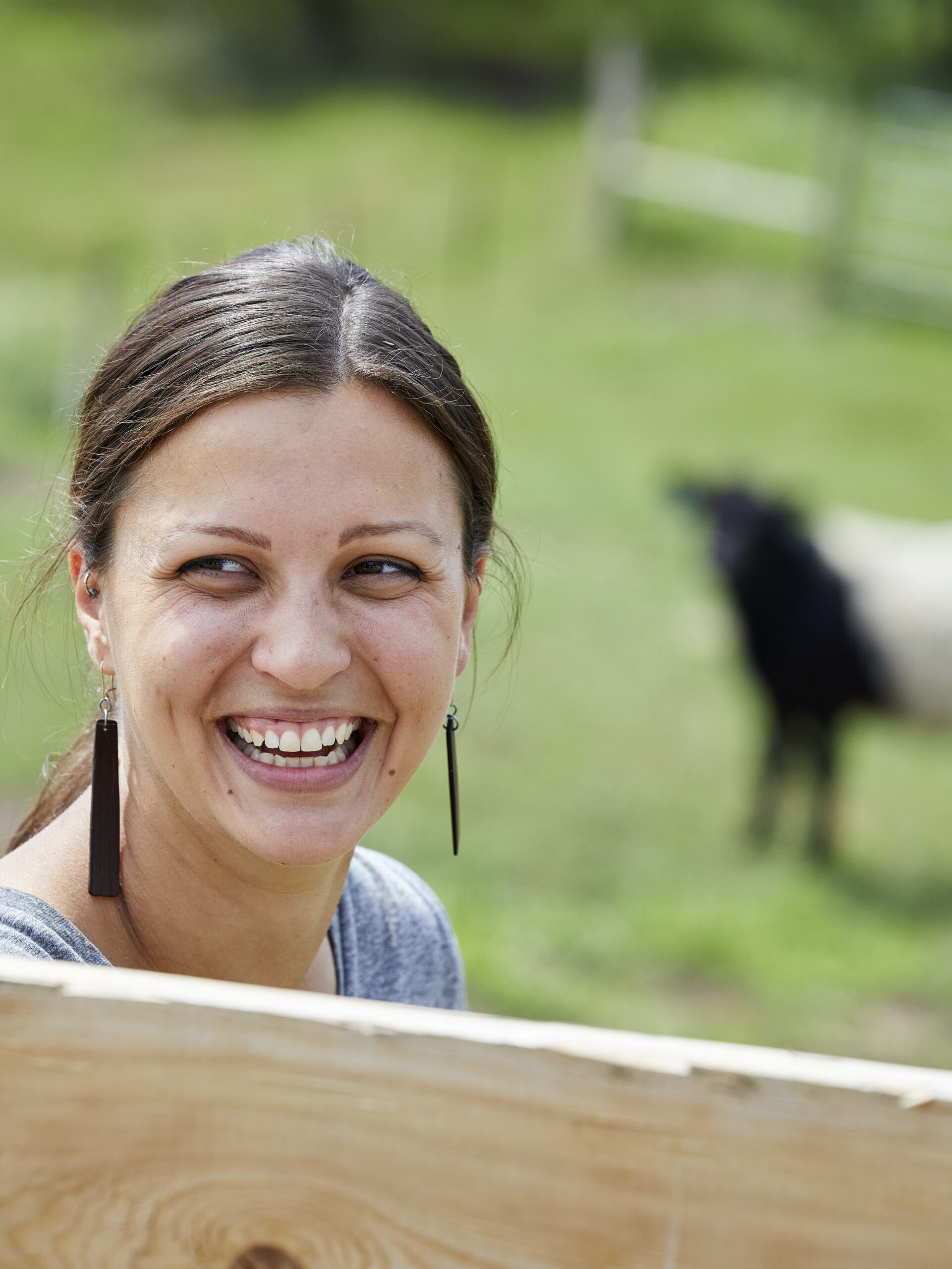
Meet Hannah
Hannah Hernke
Cannon Falls, MN
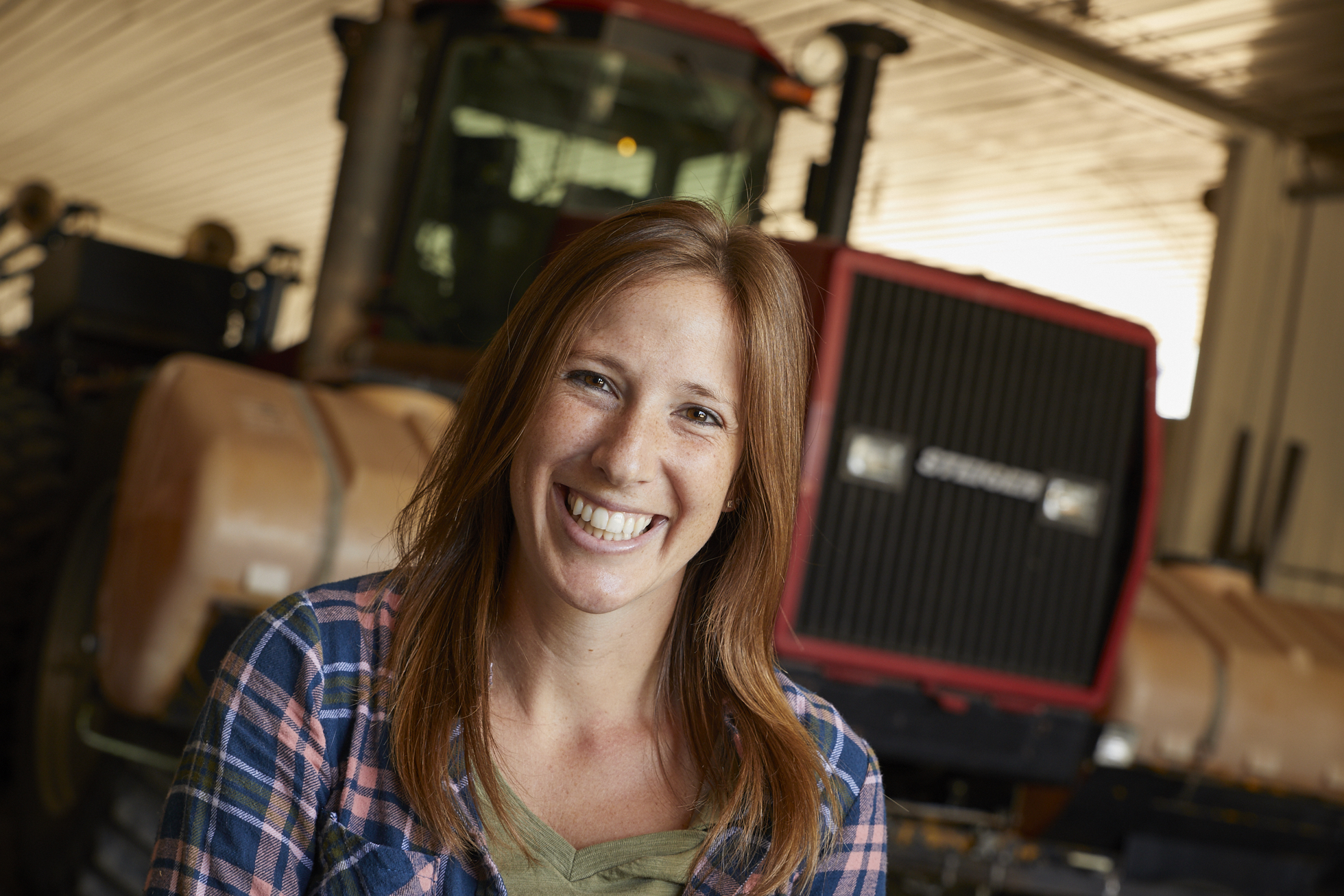
Meet Lauren
Lauren Biegler
Lake Wilson, MN
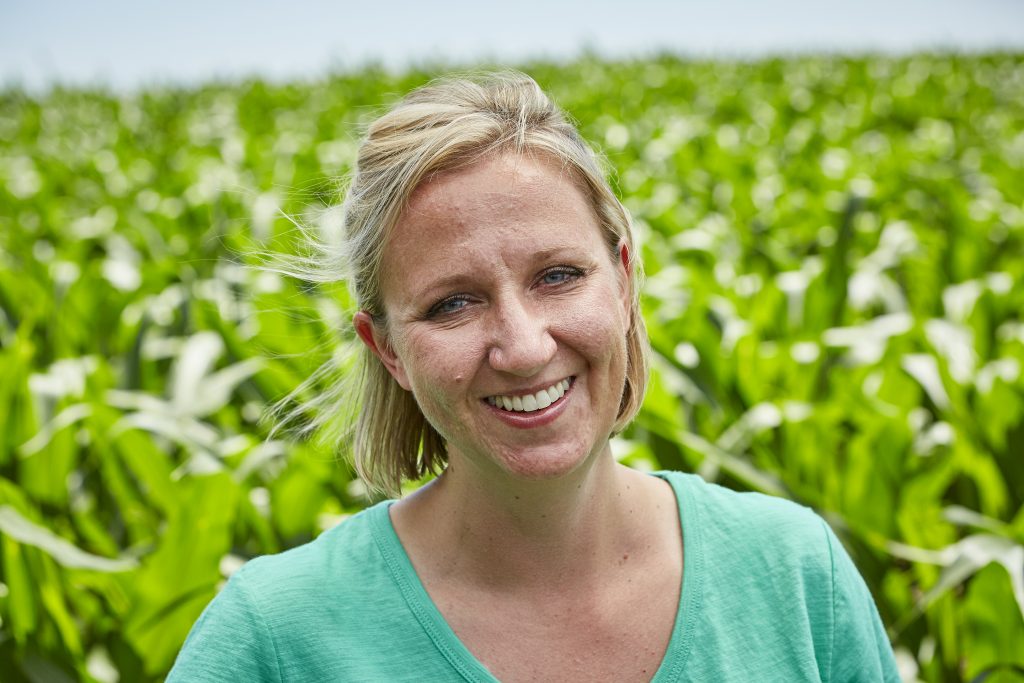
Meet Rachel
Rachel Gray
Blackduck, MN
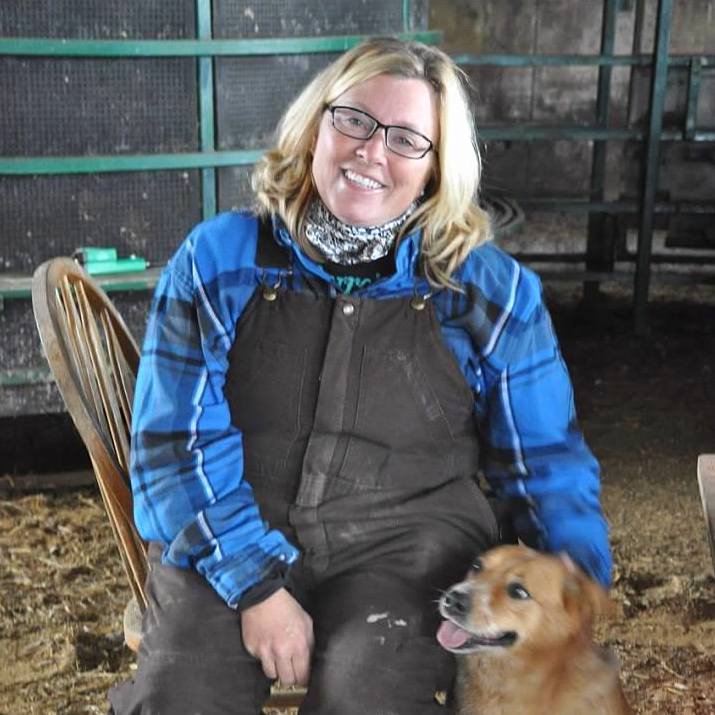
Meet Sarah
Sarah Kern
Eden Valley, MN
  • DID YOU KNOW ––

    Nationally, 36% of all farmers are women.

  • DID YOU KNOW ––

    96% of farms and ranches in Minnesota are family owned.

  • DID YOU KNOW ––

    The average Minnesota farm is 377 acres. One acre is approximately the size of a football field.

Food FAQ –

Questions? Ask
a farmer.

  • How much weed killer do farmers use to spray their crops?

    To protect 47.8 bushels (about 2,800 lbs) of soybeans, farmers apply only 22 Fl. oz. of glyphosate, a common choice among many available weed killers. That’s about one large coffee’s worth of weed killer that’s used to cover an entire football field of crops. Sprayer tanks, used to distribute weed killer across fields, are mostly filled with water, which is mixed with a small amount of weed killer…
  • Can I trust the people who grow my food to share my values?

    Ninety-six percent of U.S. farms are family farms. Farmers live and raise families on their farmland. That land serves as their livelihood and their legacy. So they take great pride in providing affordable, healthy and safe food for their families and yours while caring for the land and their animals.
  • Should I be worried about antibiotics in my meat?

    The FDA does not allow meat to be sold with traces of antibiotics above strict safety limits. The U.S. Food Safety and Inspection Service performs scheduled, but random, testing of meat nationwide. Any antibiotics used to keep animals healthy are carefully selected and administered in accordance with industry training and principles. Antibiotics have required withdrawal times, a specific number of days that must pass between…
  • Are non-organic foods safe and nutritious?

    All foods – whether organic or non-organic – must meet federal and state regulations before being sold to consumers. Several U.S. government agencies, including the FDA and the EPA, monitor the food production chain from farm to fork. Studies have shown there is no difference in nutritional value between organic and conventional food.
  • Are chickens raised for egg production kept in cages?

    Most farmers use one of three housing systems for housing their laying hens: conventional cages, enriched cages and aviary housing, which is often referred to as cage-free. All three systems have advantages and disadvantages. Today, most eggs produced in the United States follow the United Egg Producers (UEP) Certified guidelines, which assures that hens receive appropriate space, nutritious food…
  • Are local foods more sustainable?

    Buying local helps to support area farmers, but does not guarantee that your purchase supports sustainability. Only 20 percent of U.S. farmland is located near metropolitan areas, which makes buying local difficult. Furthermore, as our population grows and competes for land, energy and water, U.S. farmers will need to be even more efficient and productive…
  • What are genetically modified organisms (GMOs)?

    GMOs, or bioengineered plants, are plant hybrids created using more technologically advanced hybridization methods called biotechnology. Scientists test GMO seed and plants, and they are reviewed by the FDA, EPA and USDA before they are marketed. GMO crops are created to achieve a desired trait, such as resistance to a pest or tolerance to drought conditions. There are ten GMO crops commercially available in the U.S. today…
  • How do I know my food is safe?

    Several U.S. government agencies, including the Food and Drug Administration (FDA) and the Environmental Protection Agency (EPA), monitor the food-production chain through regulations and inspections from the farm to your table. Most cases of food-borne illness can be prevented with proper processing, handling and cooking to destroy bacteria that cause food-borne illness…
Get your answers
Our Blog –

The latest table talk

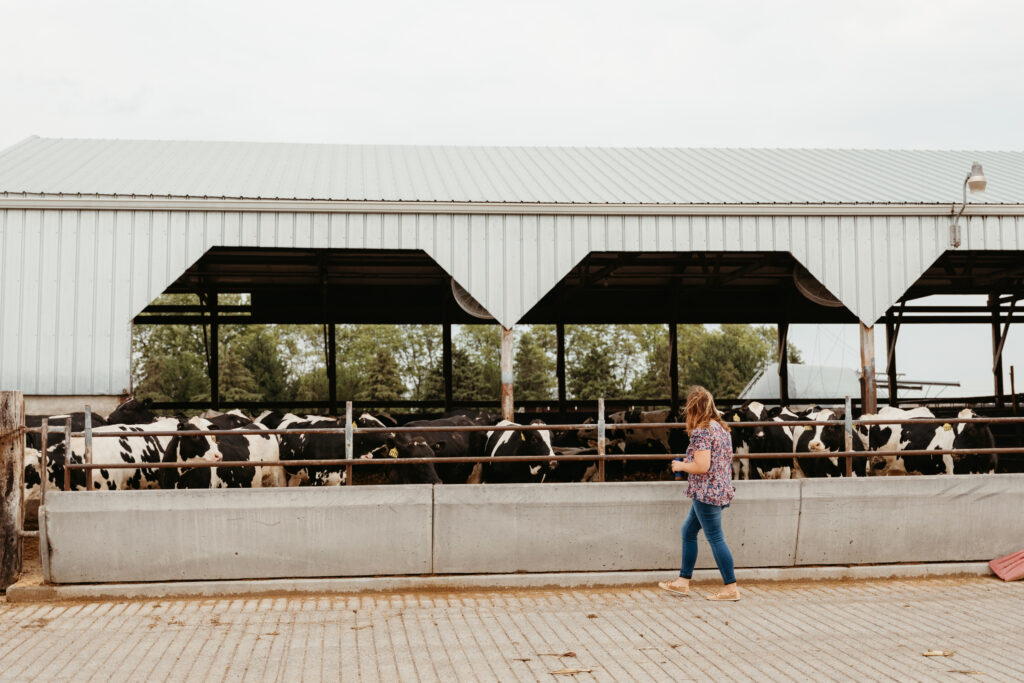
A woman walks by cows lined up at a feed bunk.
Volunteer Insights
Farmers Giving Back
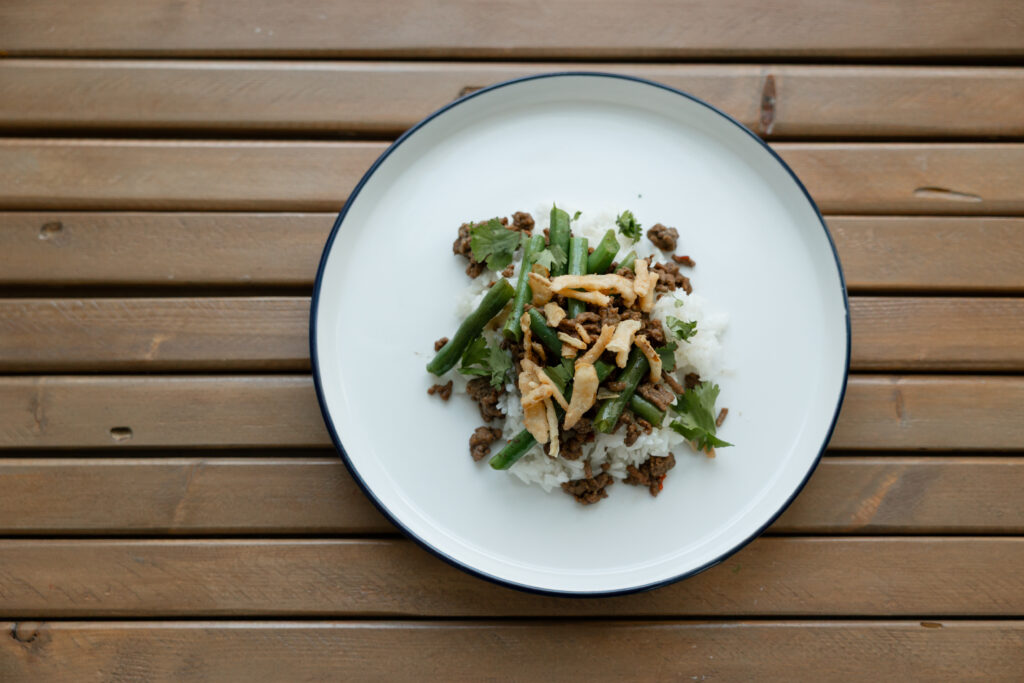
Recipe
Sweet Chili Beef & Green Bean Bowl
Recipe
Berry Dairy Salad
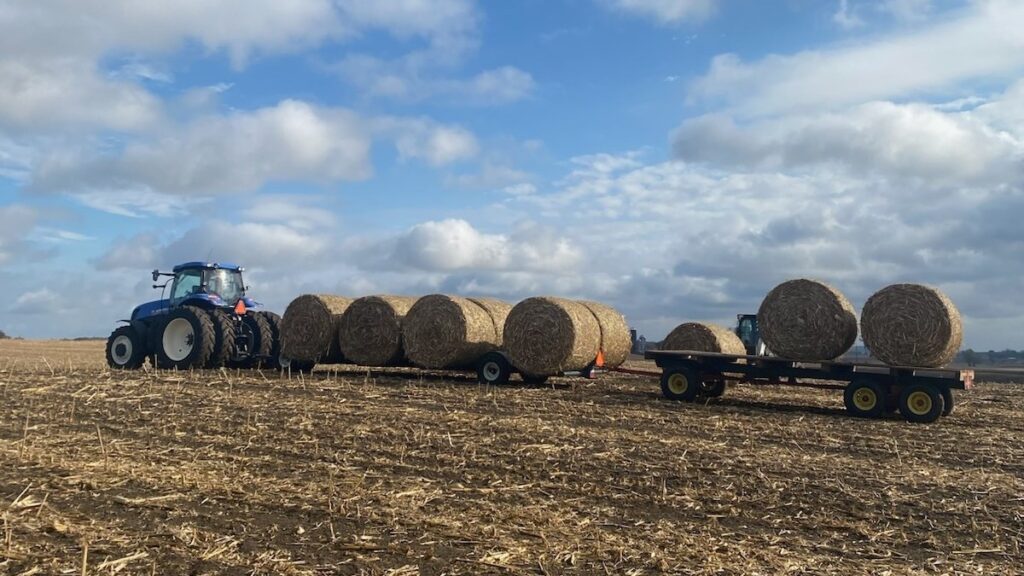
A tractor pulls trailers loaded with round bales.
Volunteer Insights
From Chores to Character

Let's find our
common ground.

Stay connected! Subscribe to our monthly newsletter.

About Us

About

Our Volunteers

Events

Blog

Contact Us

Food & Farming

Videos

Farm Facts

Sustainability

FAQs

Glossary

Follow us

  • Instagram
  • Facebook
  • Youtube
  • Pinterest

Get the latest on all things CommonGround. Subscribe to our newsletter!

  • About
  • Farm Facts
  • Our Volunteers
  • Videos
  • Sustainability
  • Features + Recipes
  • FAQs
  • Contact Us
  • Glossary
  • Events

Instagram

Facebook

YouTube

Pinterest

Newsletter

  • About
  • Farm Facts
  • Our Volunteers
  • Videos
  • Sustainability
  • Features + Recipes
  • FAQs
  • Contact Us
  • Glossary
  • Events
Instagram Facebook YouTube Pinterest